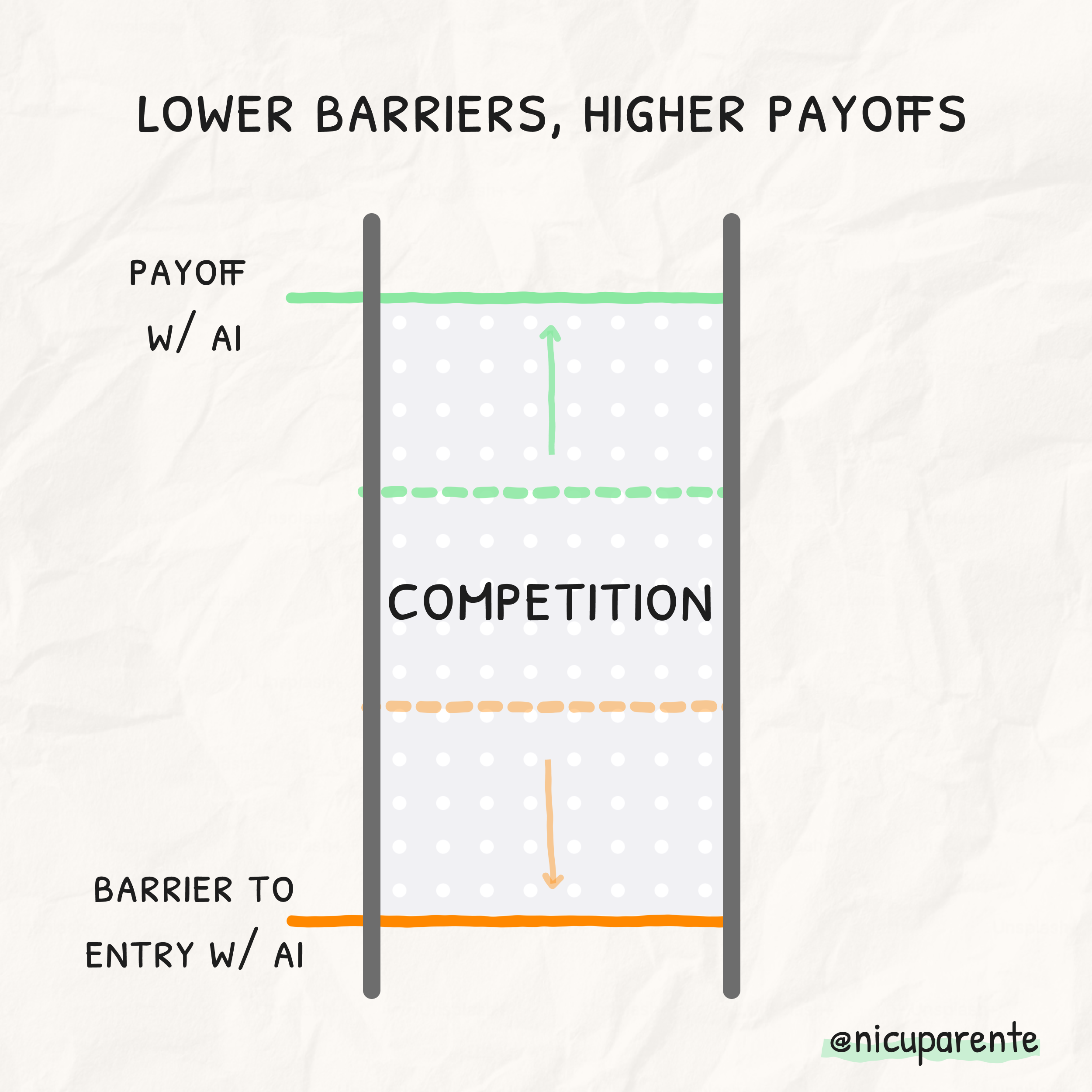
Product
All things product from being a PM to strategy to tactics for building a product
Resources (2)

The Minimalist Entrepreneur: How Great Founders Do More with Less
This book is currently my favorite book when it comes to buidling busiensses and startups. It's pragmatic and gives actionable advice, especially for bootstrapped founders. I don't believe in growth at all costs. I believe in building businesses that solve real problems for real communities, sustainably. Sahil Lavingia’s framework is my go-to guide for keeping things lean, profitable, and focused on what actually matters: the customer.
Lenny's Podcast
I've learned so much from this podcast
Notes (7)
The goal of a PRD is clarity. Not 10,000 words.
So whether you're writing it or generating it with AI, make sure your team can actually read and comprehend the purpose of what you're building in 10 minutes. Or there will be a lot of "claude: give me the TL;DR for this", which at that point you're writing for agents and not people, then by all means, 20+ pages it is.
July 26, 2026
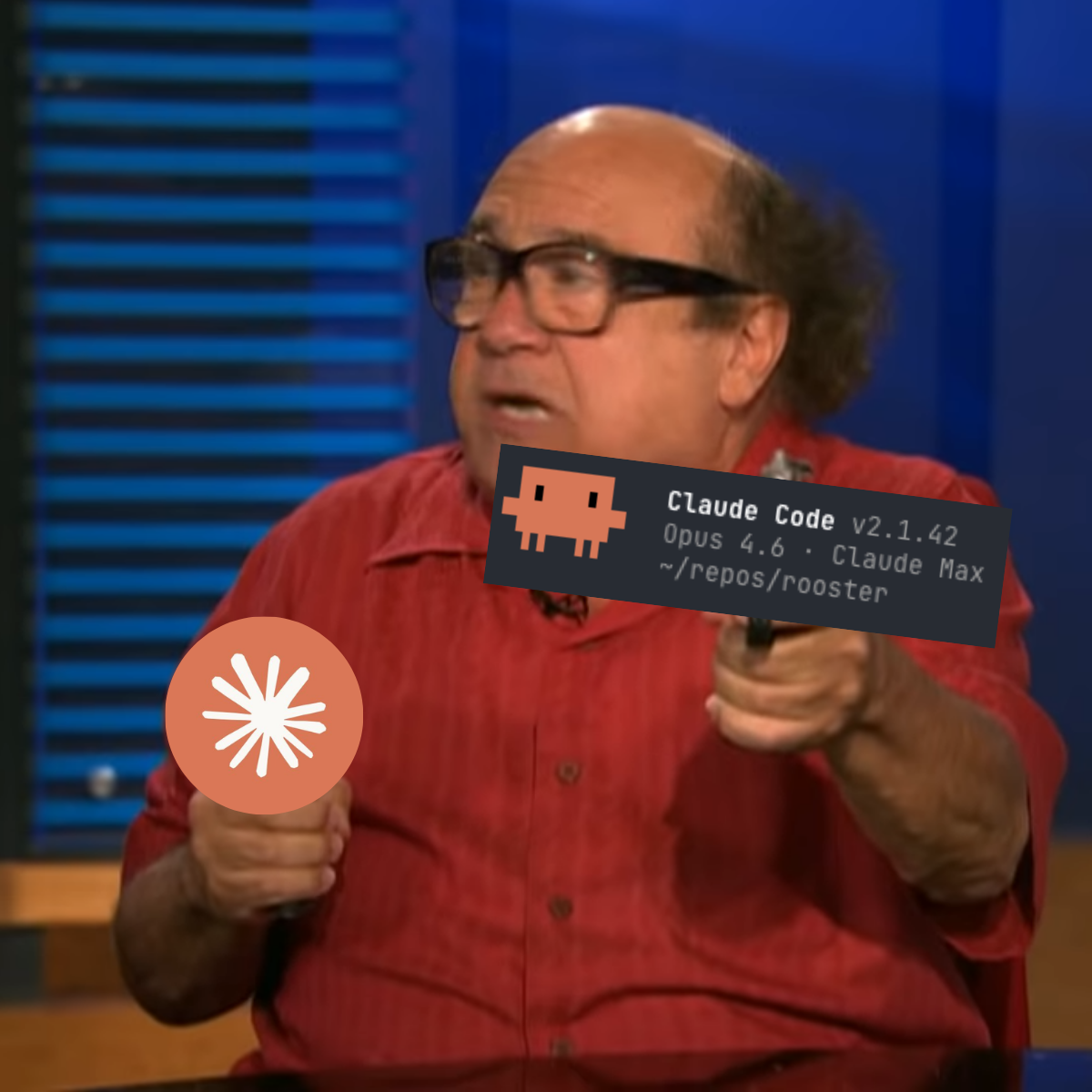
So anyway, I stated Vibing.
"A couple of companies wanted me to pay $1,000/month for SaaS tools for my 17 user app. So I opened Claude Code. And anyway, I started vibing. Now I've got a project tracking tool, 2 CRMs (the first one leaked customer data), 16 analytics dashboards, a payroll system for me and my virtual assistant in the Philippines, and a customer support ticketing system. I haven't touched my actual product in six weeks. I've been building 231 internal features to run my business. But I'm not paying SaaS fees, just 4 additional Claude MAX subs to fix the bugs and make sure the apps are running. I don't have to touch it, I just pay it. You all think I'm a hero, and I accept that responsibility." - Frank (Maybe)
March 12, 2026
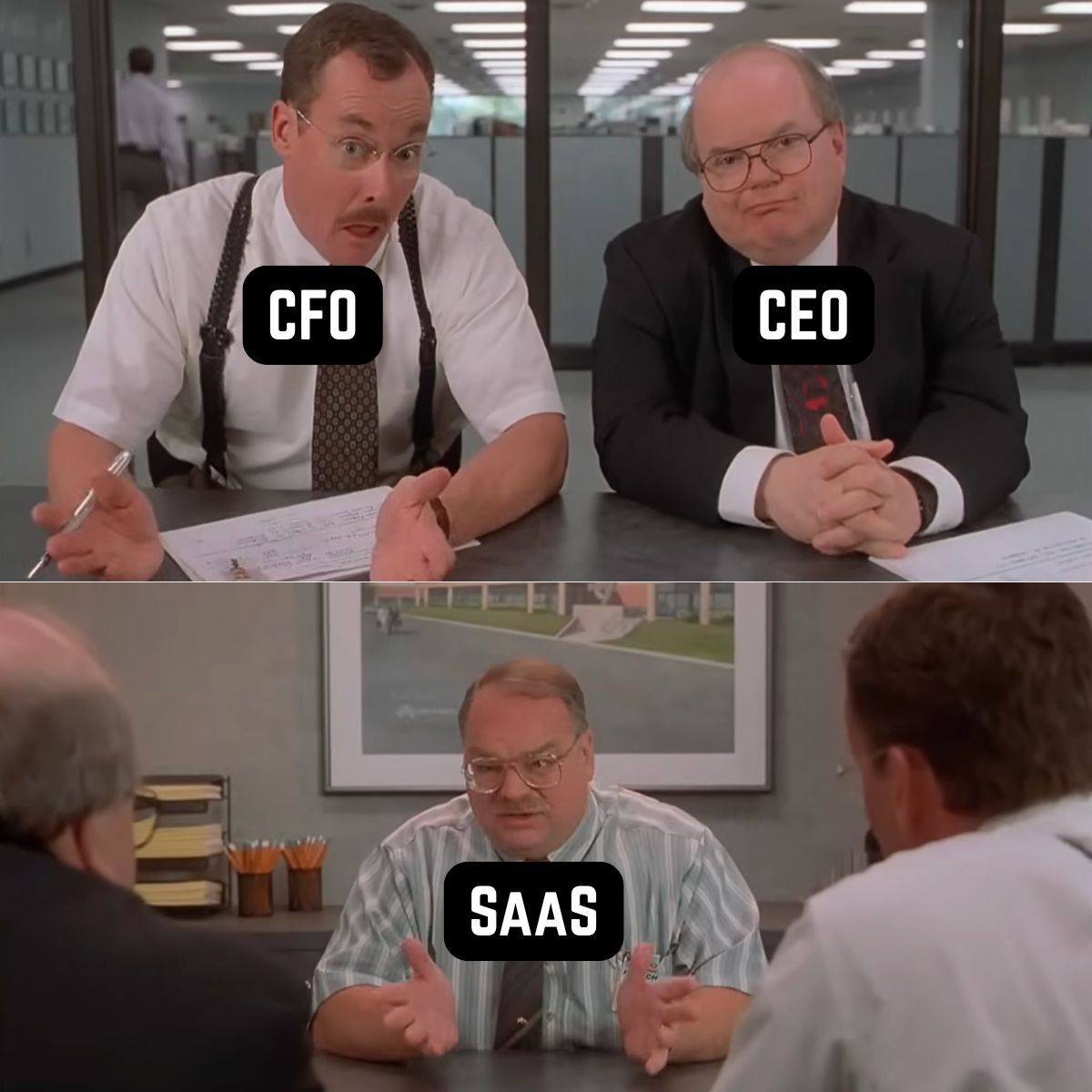
POV of the C-suite after Learning About AI agents
CFO: "What exactly is it that you do around here?" SaaS: “I turn your complex workflow into a managed service so you don't have to worry about compliance and maintenance; you can focus on your business problem.” CEO: "Well then, I just have to ask, why couldn't I just take our requirements directly to an AI agent, build a custom version for the price of an API call? SaaS: “Because when you find out that a custom app is a security nightmare, leaking customer data, the AI will just tell you, 'You're right! I apologize for the oversight!' I handle the 'unfun' maintenance and the 3 AM edge cases so you don't have to.” SaaS: “I have ‘accountability' skills! If I fuck up, you get to blame me. Can't you understand that?” What is wrong with you people?!?! Price is a major factor in the "build vs. buy" conversation, as is risk. AI agents are great at building features, but they are terrible at taking the blame. And yes, you can absolutely do a build-it-yourself if you have the right team. You just have to be aware that a $10,000/yr in savings now can become a $1,000,000 liability and 1,000 hours of debugging later. Well, is it time to rebrand SaaS as Scapegoat-as-a-Service? lol Anyway, time to rewatch Office Space this weekend.
March 2, 2026
4 Common Mistakes that junior Product Managers (including myself) make
### 1. Not Saying No Enough This isn't just saying no to meetings; it is saying no to stakeholders' requests, timelines, or customer feature requests. This can be hard, especially if you want to please everyone but its critical in order to prioritize the product vision and strategy. ### 2. Starting with solutions instead of problems Another common mistake is to become too feature-focused. For example, wanting to incorporate AI into the product and directly focusing on getting buy-in without clearly defining the problem and why AI would solve it. ### 3. Relying Solely on Data Data is essential for making decisions but is not the only factor. Junior PMs must move from data-driven to data-informed decisions, which factor in market trends, business objectives, intuition, and context. ### 4. Choosing complex solutions over simpler ones It may be tempting to create complex solutions to problems so that you can incorporate a specific technology. This can result in longer development time and increased costs. Keep it simple and lean.
January 14, 2026
Claude Code + Cursor
This has been my personal tech stack when developing new projects.
January 8, 2026
FAQ: Do I need to know how to code to be a Product Manager?
No, unless you want to work on platform or developer-focused products like an API, SDK, etc. **Why?** Because, as a PM, you should be able to use your product. You need to be able to understand how it works, its limitations, and its experience. So, if you don't know how to code, you won't be able to use your APIs, SDKs, etc Do I recommend you learn how to code? Yea, it certainly helps. But you will more than likely not contribute to production code. **Do you know what every PM should know?** System Design, you will spend most of your time on this level and will be communicating with your engineers and other technical stakeholders on this.
January 2, 2026
Talk to Users
You know what hasn't changed in the product-building process, even with AI? Talking to your potential users or customers. Having a prototype to show helps, but that shouldn't be a requirement to talk to users. You'll be surprised by how many assumptions you had get blown up in a 5-minute conversation.
December 31, 2025